
Azure Global Infrastructure
Overview
Section titled “Overview”Azure’s global infrastructure enables worldwide deployment with data residency compliance and high availability. This section provides key concepts with references to official documentation.
Azure Global Regions Map
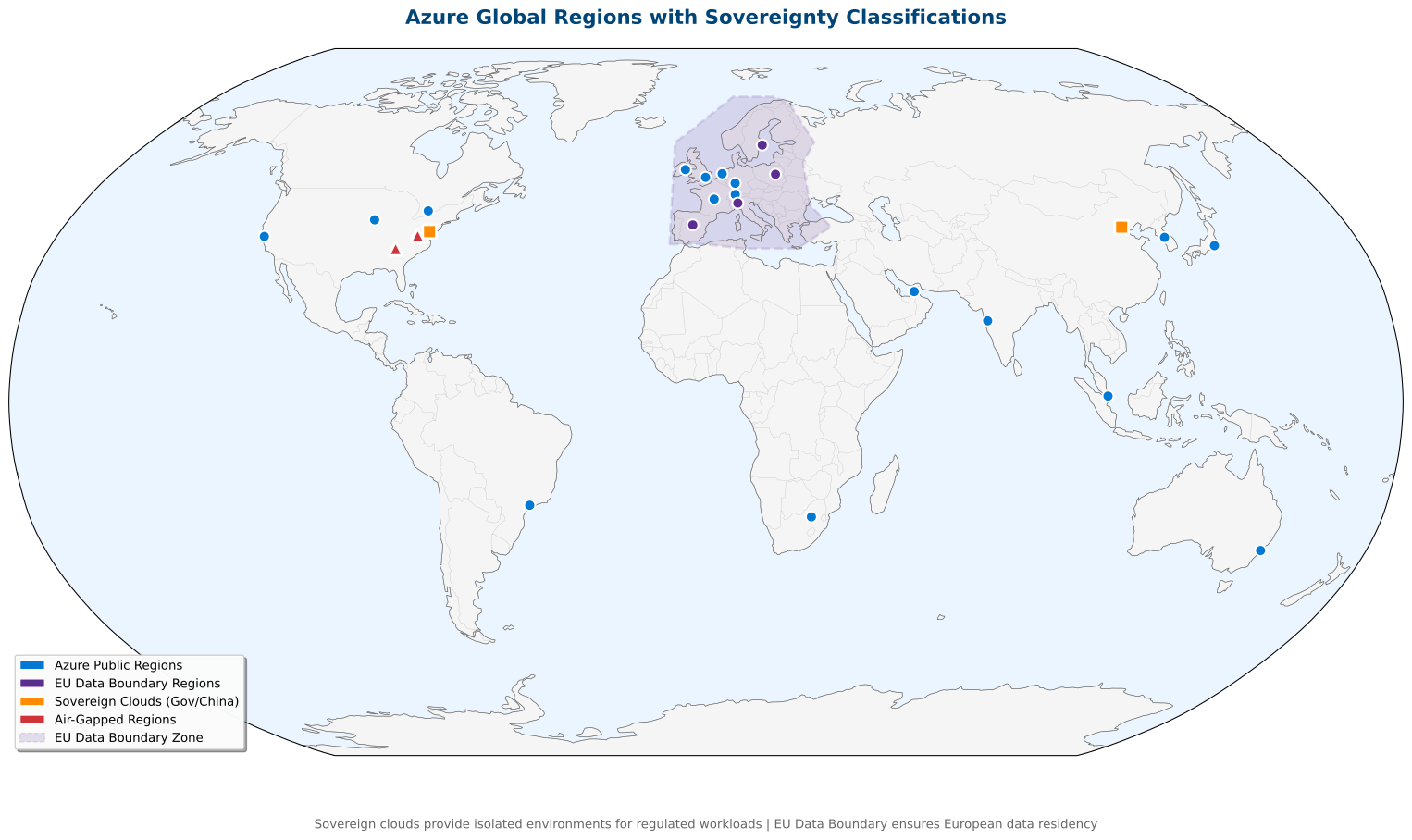 Figure: Azure global datacenter regions with EU Data Boundary highlighted
Azure Infrastructure Hierarchy
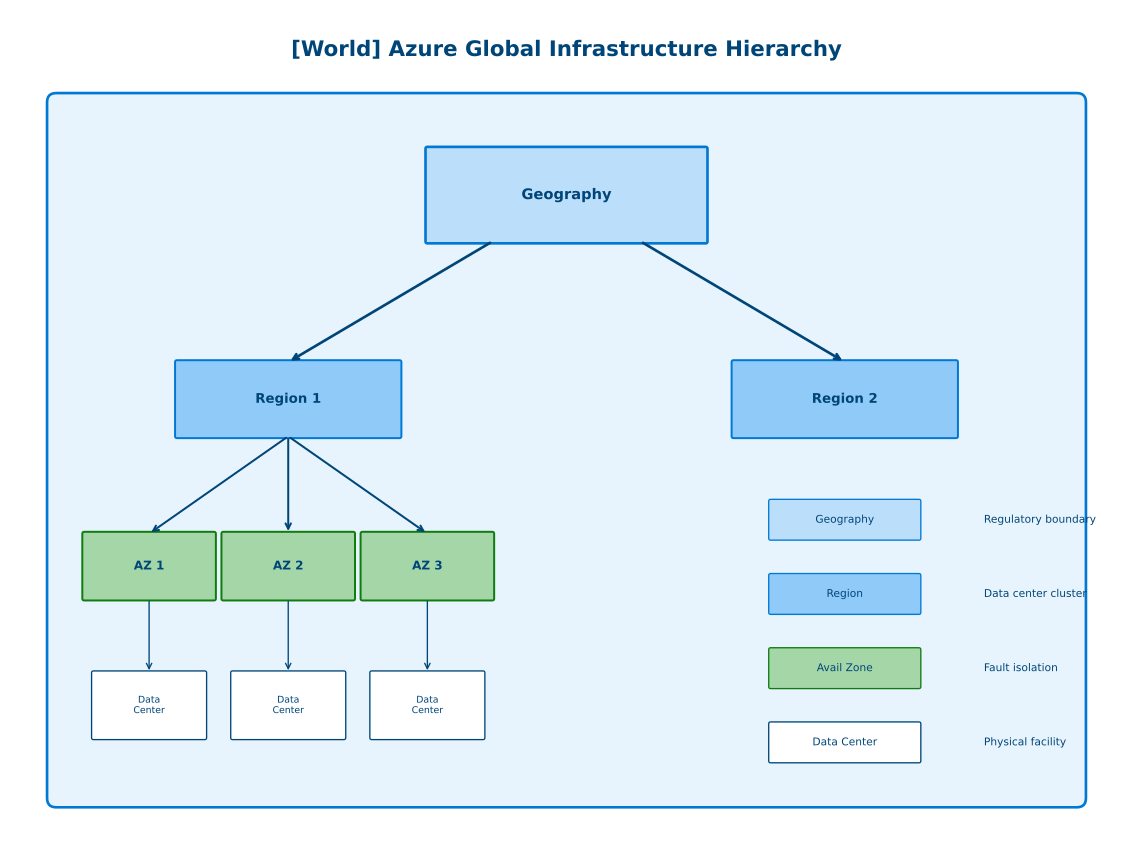 Figure: Azure global infrastructure hierarchy from Geographies to Data Centers
Key Concepts
Section titled “Key Concepts”Regions
Section titled “Regions”Geographic areas containing one or more data centers.
Important Facts:
- 60+ regions worldwide
- Data residency compliance
- Region-specific service availability
- Disaster recovery pairing
Availability Zones
Section titled “Availability Zones”Physically separate locations within an Azure region.
Key Benefits:
- High availability (99.99% SLA)
- Fault tolerance
- Automatic failover
- Zone-redundant services
Edge Locations
Section titled “Edge Locations”Points of presence for content delivery and edge computing.
Use Cases:
- Content delivery networks (CDN)
- Edge computing scenarios
- Reduced latency for users
Sovereignty Considerations
Section titled “Sovereignty Considerations”Data Residency
Section titled “Data Residency”- Choose regions based on compliance requirements
- Understand data replication policies
- Consider cross-border data transfer restrictions
Government Clouds
Section titled “Government Clouds”- Azure Government (US)
- Azure China
- Regional compliance variations
Official Resources
Section titled “Official Resources”Documentation
Section titled “Documentation”Interactive Tools
Section titled “Interactive Tools”Next Steps
Section titled “Next Steps”Review Azure Management Tools to understand how to manage Azure resources.
Last Updated: November 2025