Azure Global Infrastructure
Overview
Azure’s global infrastructure enables worldwide deployment with data residency compliance and high availability. This section provides key concepts with references to official documentation.
View Diagram: Azure Global Regions Map
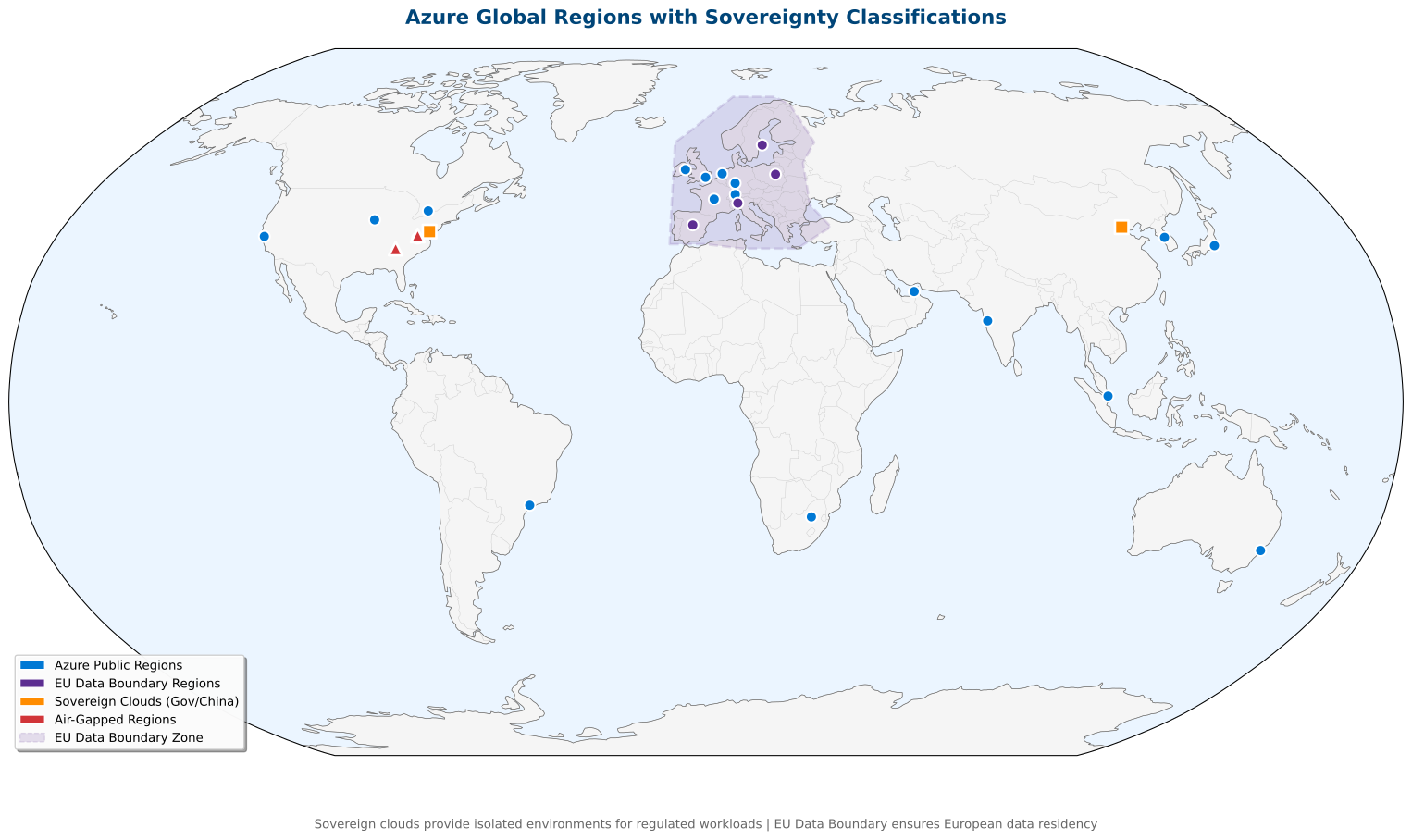 Figure: Azure global datacenter regions with EU Data Boundary highlighted
View Diagram: Azure Infrastructure Hierarchy
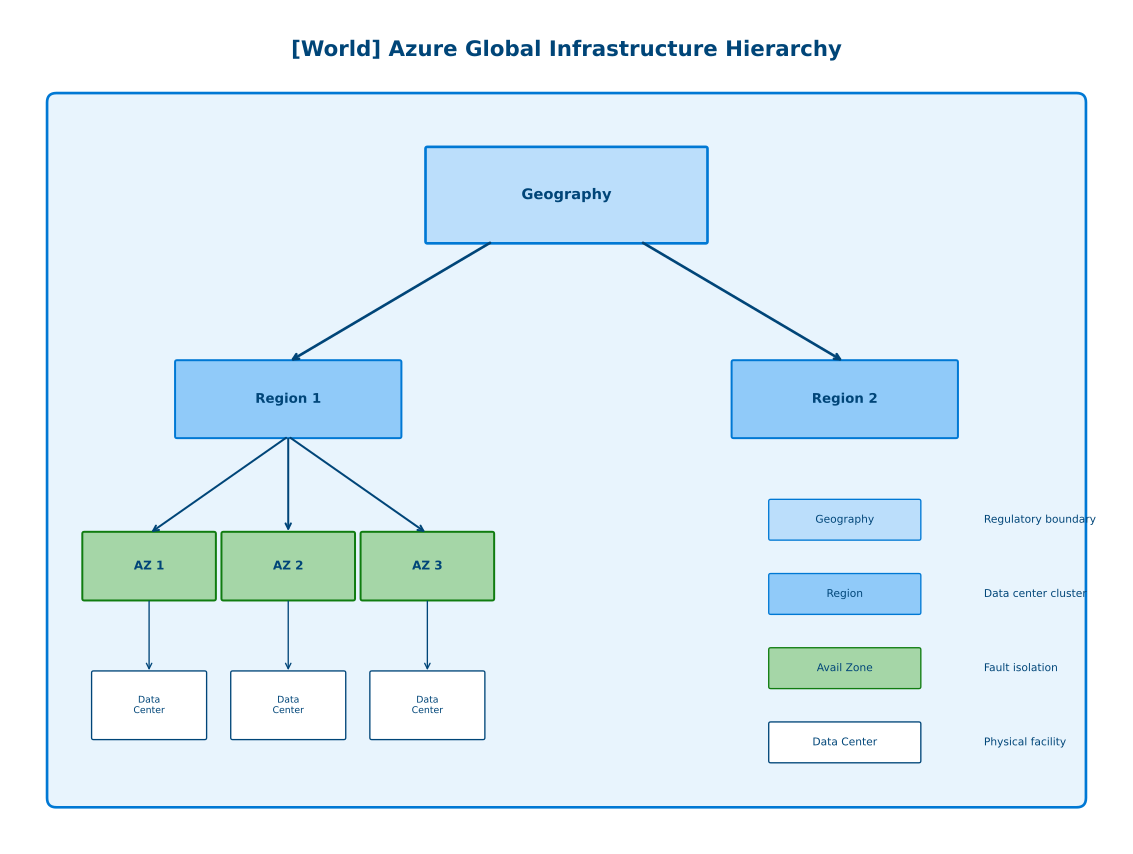 Figure: Azure global infrastructure hierarchy from Geographies to Data Centers
Key Concepts
Regions
Geographic areas containing one or more data centers.
Important Facts:
- 60+ regions worldwide
- Data residency compliance
- Region-specific service availability
- Disaster recovery pairing
Availability Zones
Physically separate locations within an Azure region.
Key Benefits:
- High availability (99.99% SLA)
- Fault tolerance
- Automatic failover
- Zone-redundant services
Edge Locations
Points of presence for content delivery and edge computing.
Use Cases:
- Content delivery networks (CDN)
- Edge computing scenarios
- Reduced latency for users
Sovereignty Considerations
Data Residency
- Choose regions based on compliance requirements
- Understand data replication policies
- Consider cross-border data transfer restrictions
Government Clouds
- Azure Government (US)
- Azure China
- Regional compliance variations
Official Resources
Documentation
Interactive Tools
Next Steps
Review Azure Management Tools to understand how to manage Azure resources.
Last Updated: November 2025