Cloud Benefits and Considerations
Table of contents
- Table of contents
- Overview
- Primary Business Benefits
- Strategic Advantages
- Key Considerations and Challenges
- Industry-Specific Considerations
- Cost-Benefit Analysis
- Decision-Making Guidelines
- Success Factors
- Summary
- Next Steps
- Additional Resources
Overview
Cloud computing offers significant business advantages while introducing new considerations. Understanding both benefits and challenges enables informed adoption decisions.
View Diagram: Cloud vs On-Premises TCO Comparison
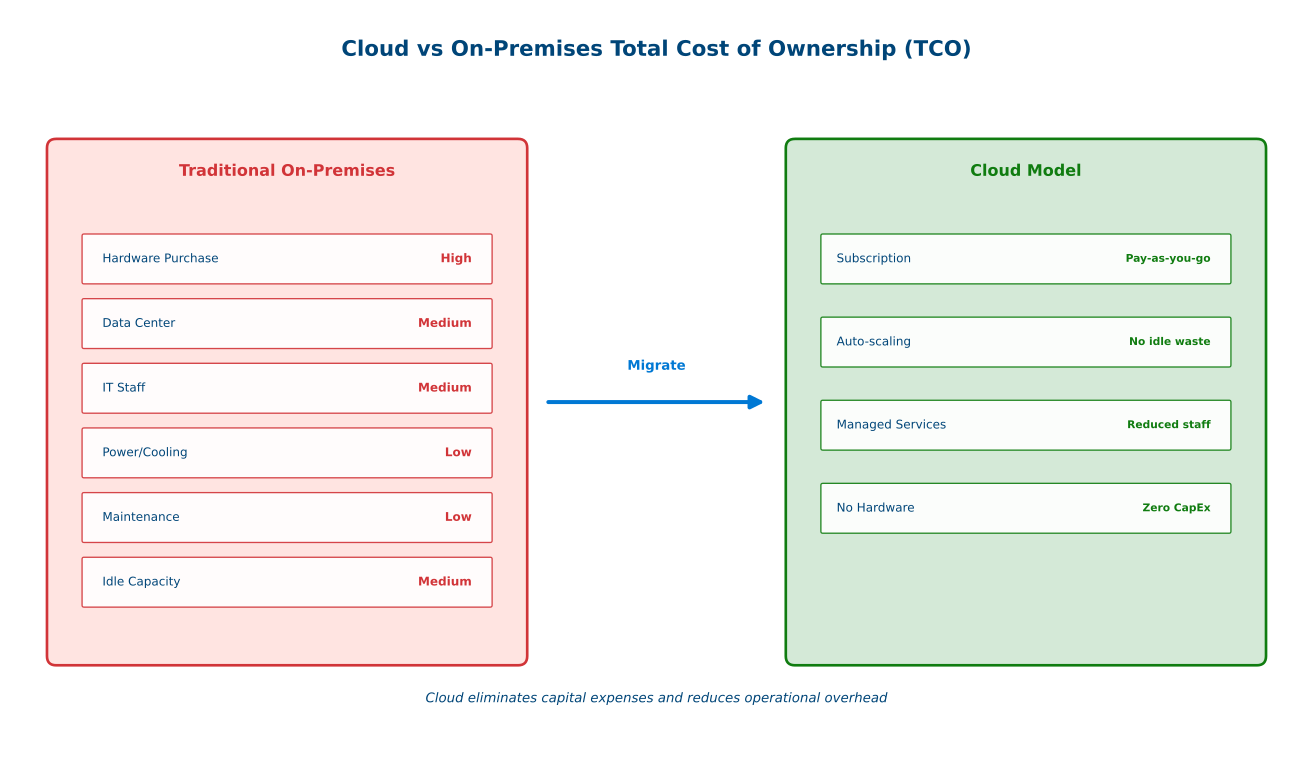 Figure 1: Cloud eliminates capital expenses and reduces operational overhead
Primary Business Benefits
Cost Optimization
Capital to Operating Expense Shift
- Traditional IT requires large upfront capital investments
- Cloud converts to predictable operational expenses
- Typical savings: 20-40% over 3-5 years
- Pay only for resources actually consumed
Reduced Overhead
- Eliminate hardware maintenance costs
- Lower IT staffing requirements
- Decreased facility and utility costs
- No costs for idle infrastructure
Agility and Speed
Rapid Resource Provisioning
- Deploy environments in minutes instead of weeks
- Self-service infrastructure provisioning
- Automated deployment processes
- Instant global availability
Faster Time to Market
- 50% reduction in development cycles typical
- Rapid prototyping and testing
- Low-risk experimentation
- Access to cutting-edge technologies
Scalability and Performance
View Diagram: Cloud Scalability Patterns
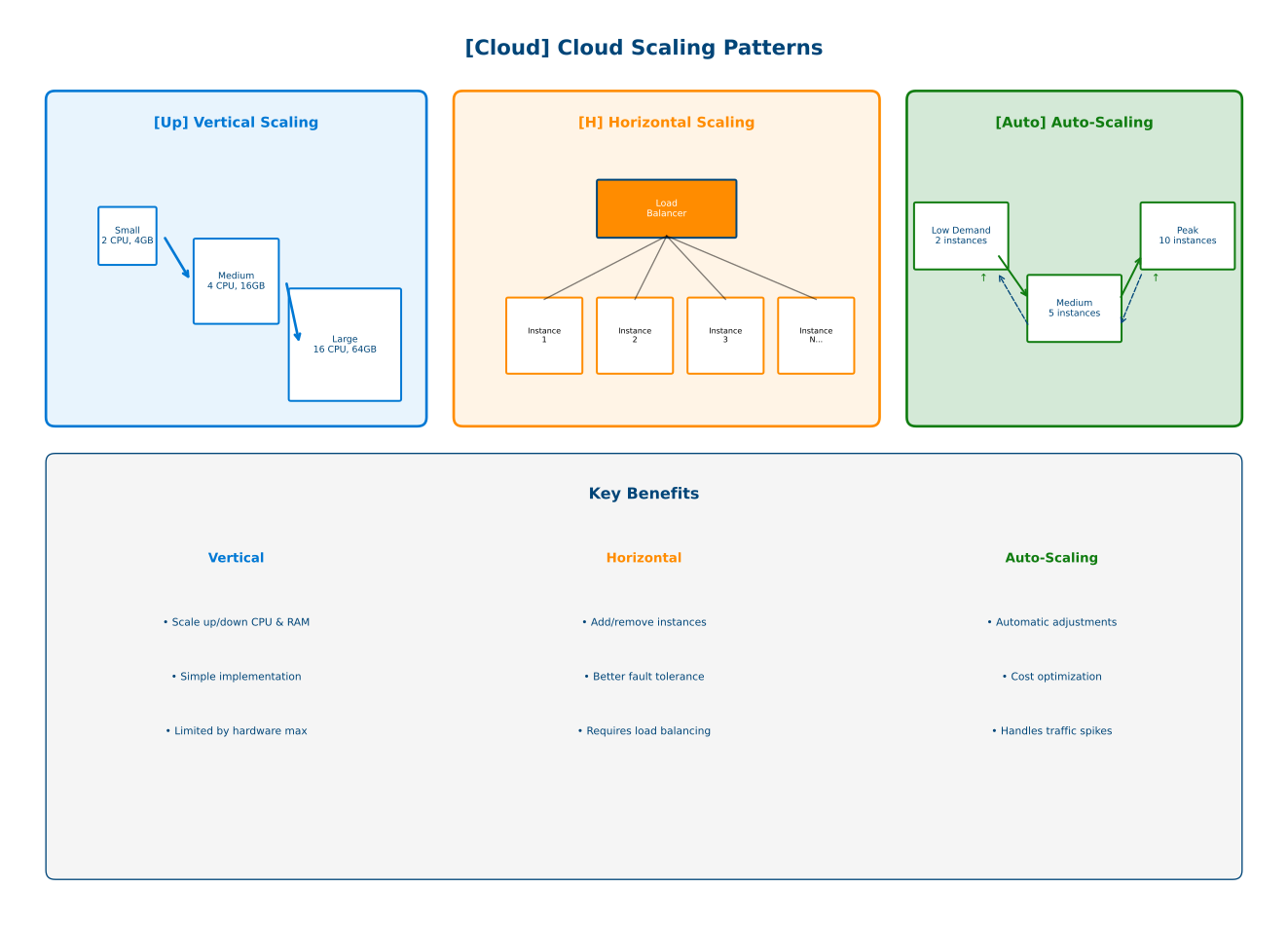 Figure 2: Cloud enables vertical, horizontal, and automatic scaling patterns
Elastic Scaling
- Automatic resource adjustment based on demand
- Handle traffic spikes (e.g., e-commerce during peak seasons)
- Scale up or down as needed
- Pay only for resources used
Performance Optimization
- Content delivery networks for faster access
- Multiple availability zones for redundancy
- High-performance computing on demand
- Global load distribution
Business Continuity and Reliability
High Availability
- 99.9% to 99.99% uptime SLAs
- Automatic failover capabilities
- Multiple data center redundancy
- Built-in disaster recovery
Data Protection
- Automated backup services
- Geographic data replication
- Point-in-time recovery options
Security and Compliance
Professional-Grade Security
- Dedicated security teams and expertise
- Advanced threat detection and monitoring
- Regular security updates and patching
- Identity and access management
Compliance Certifications
- SOC 2, ISO 27001, FedRAMP
- Industry-specific compliance (HIPAA, PCI DSS)
- Regular third-party audits
- Automated compliance reporting
Strategic Advantages
Global Reach
- Deploy applications worldwide in minutes
- Serve customers from nearest geographic location
- Meet data residency requirements
- Enter new markets without physical infrastructure
Focus on Core Business
- Shift from infrastructure management to innovation
- Leverage cloud provider expertise
- Allocate resources to value-creating activities
- Enable digital transformation initiatives
Competitive Advantage
- Faster innovation and feature deployment
- Quick response to market changes
- Lower barriers to entry for new initiatives
- Variable cost model improves cash flow
Key Considerations and Challenges
Security and Privacy
Concerns:
- Data location and sovereignty requirements
- Shared responsibility model complexity
- Third-party infrastructure access
Mitigation:
- Choose certified providers
- Implement strong access controls
- Use encryption for sensitive data
- Regular security assessments
Vendor Lock-in
Concerns:
- Proprietary services and APIs
- Migration complexity
- Skill set specialization
Mitigation:
- Design for portability where possible
- Use open standards
- Consider hybrid or multi-cloud strategies
Connectivity and Performance
Concerns:
- Internet dependency for business continuity
- Bandwidth requirements and costs
- Latency for critical applications
Mitigation:
- Multiple connectivity paths
- Direct cloud connectivity options
- Edge computing for latency-sensitive workloads
Cost Management
Concerns:
- Variable cost complexity
- Budget forecasting challenges
- Unexpected charges
Mitigation:
- Implement cost monitoring and alerts
- Use reserved instances for predictable workloads
- Regular cost optimization reviews
- Establish governance controls
Skills and Change Management
Concerns:
- New skill requirements (DevOps, cloud architecture, automation)
- Organizational cultural shifts
- Process modifications
Mitigation:
- Invest in training and certification
- Gradual transition approach
- Change management programs
Industry-Specific Considerations
Different industries have unique requirements:
Healthcare: HIPAA compliance, patient data privacy, legacy system integration Financial Services: SOX/PCI DSS compliance, real-time processing, data sovereignty Manufacturing: OT integration, IP protection, IoT capabilities Education: FERPA compliance, budget constraints, accessibility requirements
Cost-Benefit Analysis
Total Cost of Ownership (TCO)
Compare traditional IT costs (hardware, facilities, staff, maintenance) against cloud costs (subscriptions, data transfer, support). Typical cloud savings: 20-40% over 3-5 years.
- Data transfer charges
- Additional security services
- Training and certification
- Integration and migration costs
ROI and Payback
Typical Payback Periods:
- Small Business: 6-12 months
- Medium Business: 12-18 months
- Large Enterprise: 18-36 months
Benefits include cost savings, productivity gains, improved agility, and risk reduction.
Decision-Making Guidelines
When Cloud Makes Sense
- Variable or growing workloads
- Limited IT resources or budget
- Geographic expansion plans
- Aging infrastructure replacement
- Strong internet connectivity
When to Proceed Cautiously
- Highly regulated industry with strict requirements
- Very predictable, stable workloads
- Poor internet connectivity
- Strict data sovereignty requirements
Key Assessment Areas
Technical: Infrastructure condition, connectivity, performance requirements Business: Growth projections, workload variability, risk tolerance, budget Organizational: Skill levels, adaptability, leadership support
Success Factors
Technical
- Cloud-native application design
- Infrastructure as code and automation
- Zero-trust security model
- Continuous monitoring
Organizational
- Executive sponsorship and clear vision
- Training and certification programs
- DevOps and agile practices
- Change management commitment
Summary
Cloud computing offers significant benefits including cost optimization, improved agility, enhanced scalability, and better security. However, successful adoption requires careful consideration of:
- Security and compliance requirements
- Vendor selection and lock-in risks
- Connectivity and performance needs
- Cost management and optimization
- Skills development and change management
Organizations should conduct thorough assessments of their specific requirements, constraints, and objectives before making cloud adoption decisions.
Next Steps
- ✅ Review benefits and considerations relevant to your organization
- ✅ Assess your organization’s cloud readiness
- ✅ Complete the Module 1 Knowledge Check
- ✅ Proceed to Module 2: Security & Compliance Fundamentals
Additional Resources
Last Updated: November 2025